Staywell Suites
Hero Background

Dubai Travel Guide 2026

Everything you need to plan a real trip to Dubai: top attractions, local food, metro hacks, a 3-day itinerary, and honest advice.

The first time I arrived in Dubai, it was a July afternoon. Stepping out of the arrivals terminal felt like opening a hot oven. I had heard the city was hot, but nothing prepares you for that kind of dry wall of heat. Within ten minutes, though, I was inside a perfectly air-conditioned metro carriage gliding towards my hotel, watching the skyline shift from gleaming glass towers to dusty apartment blocks and back again.

That contrast is exactly what Dubai is. You can eat a 5-dirham samosa in a dingy Deira alley and three kilometers away, there is a restaurant with a Michelin star and a dress code. You can visit a centuries-old mosque in the morning and watch a laser show over the world's tallest building at night. This guide is built for people who want to experience all of it without the tourist traps.

Dubai Quick Facts

Before diving in, here are the practical essentials at a glance.

Currency

UAE Dirham (AED)

Language

Arabic (official). English is universally spoken

Time Zone

UTC +4. No daylight saving

Electricity

230V, Type G sockets (same as UK)

Visa

Free on arrival for 50+ nationalities

Emergency

Police: 999 | Ambulance: 998 | Fire: 997

Best Time to Visit Dubai

Dubai has essentially two seasons: pleasant and extremely hot. The best window is November through March, when daytime temperatures sit between 18 and 28 degrees Celsius. You can walk outside, visit outdoor attractions, and enjoy a desert safari without suffering. This is also peak tourist season, so hotel rates are higher and popular spots get crowded.

April and October are shoulder months. Warmer, but still manageable, and prices drop noticeably. Summer (June to August) is brutal outdoors, with July regularly hitting 42 to 45 degrees Celsius. But hotel rates can fall by 40 to 60 percent, and everything indoors, the malls, aquarium, ski slope, is just as good year-round.

Best Months for First-Time Visitors

November to February. Comfortable weather, the Dubai Shopping Festival runs December to January, and outdoor desert activities are fully enjoyable. Book accommodation at least 6 to 8 weeks in advance for this window.

Old Dubai vs New Dubai: The Great Contrast

Dubai is split into two distinct worlds separated by just a few kilometers. Which side you explore first will shape your entire first impression of the city.

Old Dubai (Deira & Bur Dubai)

  • Historic center around Dubai Creek
  • Bustling souks: Gold, Spice, Textile
  • Abra wooden boat rides for 1 AED
  • Al Fahidi wind-tower heritage district
  • Budget street food and local cafes
  • Dubai Museum and cultural sites

New Dubai (Downtown, Marina & JBR)

  • Burj Khalifa and Dubai Mall
  • Dubai Fountain shows (free, nightly)
  • Dubai Marina yacht harbor and waterfront
  • JBR beach and The Walk promenade
  • Palm Jumeirah and Atlantis
  • Luxury hotels, rooftop bars, beach clubs

My honest recommendation: spend your first day in Old Dubai. The creek, the souks, the narrow lanes behind the Gold Souk where spice merchants have traded for generations give you a grounding that makes the skyscrapers of Downtown feel more meaningful in comparison.

Top Tourist Attractions & Things to Do in Dubai

These are the places worth your time. Each one links to a full guide with opening hours, ticket prices, metro directions, and insider tips.

01

Burj Khalifa

Landmark
Burj Khalifa

Standing at 828 meters, the Burj Khalifa is the tallest building on earth and the defining image of modern Dubai. You can see it from almost anywhere in the city, and up close it is genuinely staggering in scale. The observation decks start at Level 124 (At the Top) and go up to Level 154 for the premium Sky experience. Tickets start from 149 AED but climb steeply the higher you go.

If the ticket price feels steep, here is what most visitors miss: the Dubai Fountain show runs free every evening right below the tower. Standing on the Burj Lake boardwalk at night watching the fountains fire 150 meters into the air with the tower lit behind them costs nothing and is one of the best experiences in the city.

Insider Tip

Book your deck ticket online at least 2 days ahead. Walk-in prices are higher and sunset slots sell out weeks in advance.

Full Guide
02

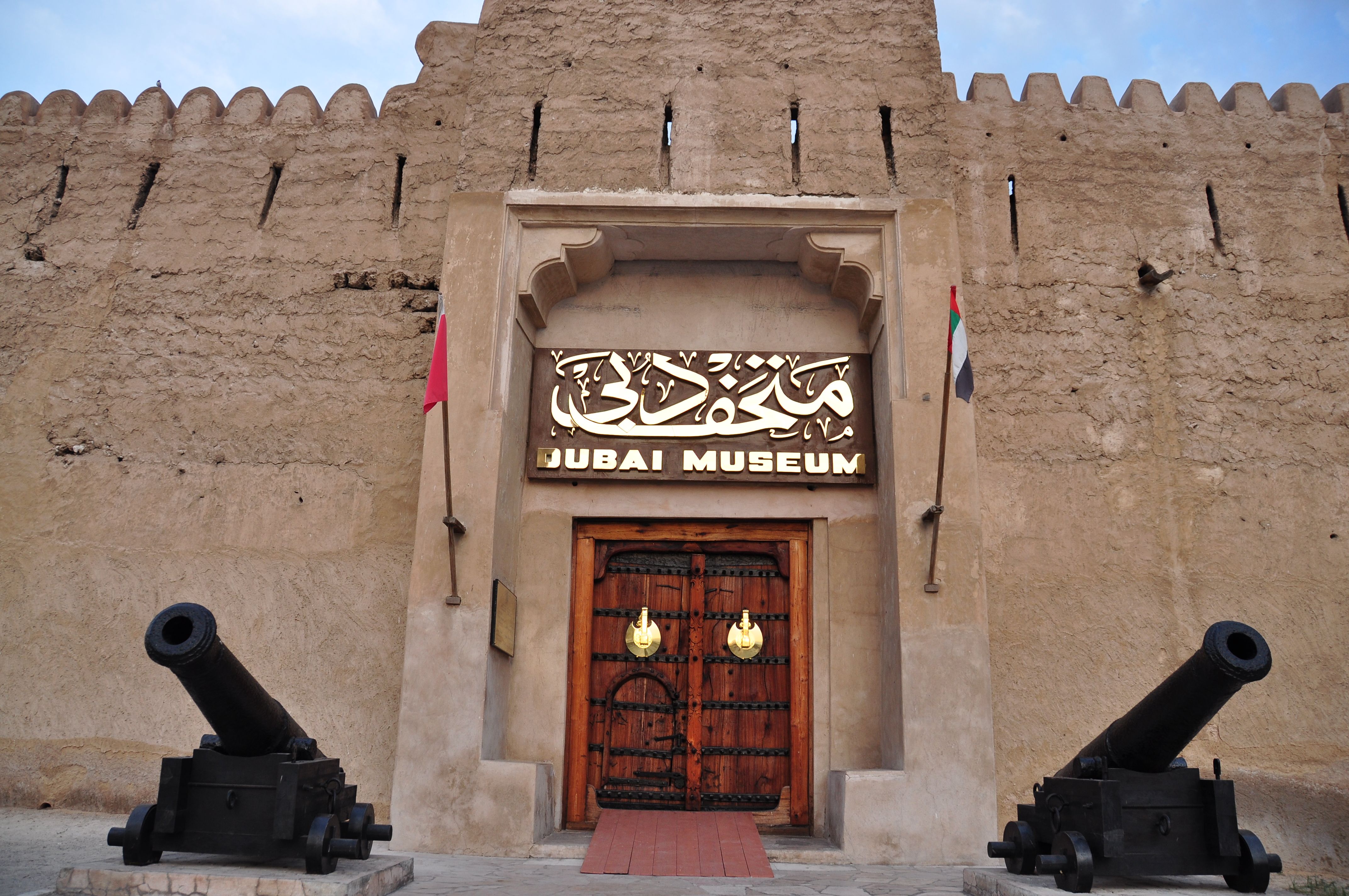
Al Fahidi Historical Neighbourhood & Dubai Museum

Heritage
Al Fahidi Historical Neighbourhood & Dubai Museum

Al Fahidi is the oldest surviving residential area in Dubai, tucked into Bur Dubai along the creek. The narrow winding lanes are lined with restored wind-tower buildings made from gypsum and coral stone. Walking through here in the morning, before the tour groups arrive, gives you a real sense of what the city looked like before the oil era transformed everything.

Inside the district you will find small art galleries, the Sheikh Mohammed Centre for Cultural Understanding, and the Dubai Museum housed in Al Fahidi Fort, built in 1787. The museum costs just 3 AED for adults and takes about 45 minutes. It traces the city's history from a small pearl-diving and trading settlement to the global metropolis it is today. Genuinely worth your time.

Insider Tip

Visit early in the morning on a weekday. The lanes are quiet, the light is good for photos, and the cafes in the district serve proper Emirati coffee.

03

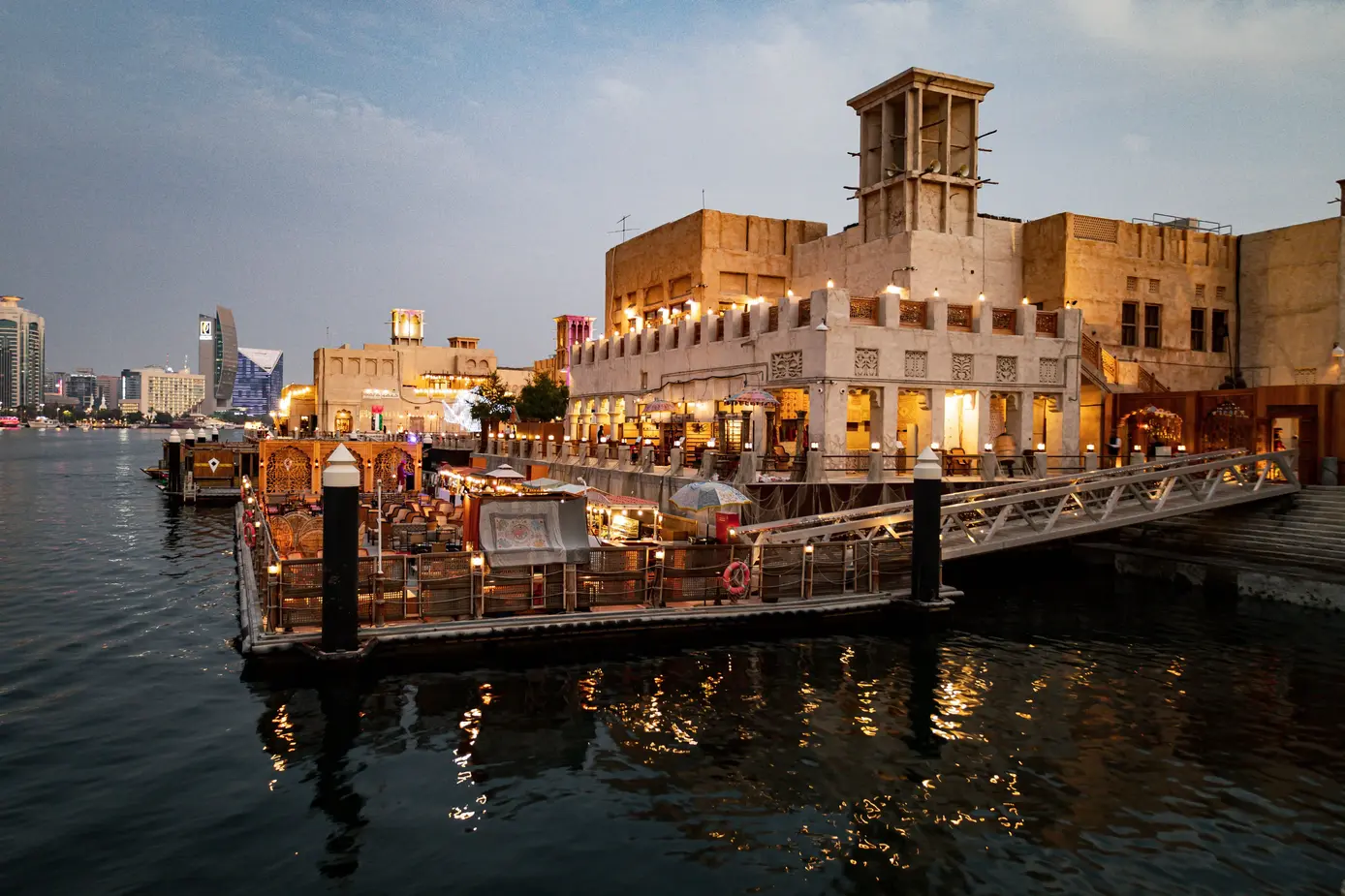
Dubai Creek & Abra Ride

Heritage
Dubai Creek & Abra Ride

Dubai Creek is the natural saltwater inlet that gave this city its reason to exist. For centuries it was the center of trade, pearling, and fishing. Today it is still busy with wooden dhow cargo boats, abra ferries, and water taxis. Taking an abra across from the Bur Dubai side to Deira is one of those experiences that costs almost nothing but stays with you. The fare is 1 AED.

In the evening, dhow dinner cruises depart from both sides of the creek and give you a slow loop of the waterway with food included, typically 80 to 150 AED per person. The Al Seef heritage waterfront on the Bur Dubai side is also worth a walk after dark, when the old-style buildings are lit up and the cafes spill out onto the waterfront.

Insider Tip

Take the abra during golden hour. The light on the wooden boats and the old creek-side buildings makes for some of the best photography in Dubai.

Full Guide
04

Gold Souk & Spice Souk

Market
Gold Souk & Spice Souk

The Gold Souk in Deira is one of the largest gold markets in the world. Over 300 retailers operate from a covered arcade, selling everything from simple bangles to custom-made statement pieces. Even if you have no intention of buying, the sheer scale and variety of gold on display is worth seeing. Prices are based on the daily gold rate plus a making charge that is negotiable.

Just across the lane is the Spice Souk, where merchants sell cardamom, saffron, frankincense, dried rosebuds, and blends from open burlap sacks. The smell hits you before you even enter. Bargaining is expected in both markets, especially for spices and souvenirs. Start lower than you are willing to pay.

Insider Tip

Go in the late morning on a weekday. Weekend afternoons pack the lanes and bargaining becomes harder when merchants have a crowd.

05

Dubai Fountain

Free
Dubai Fountain

The Dubai Fountain sits on the 30-acre Burj Lake at the base of the Burj Khalifa and holds the record as the world's largest choreographed fountain. Over 6,600 lights and 25 color projectors bring the show to life, with water jets reaching up to 150 meters. Shows run every 30 minutes from 6 PM on weekdays and from 1 PM on weekends.

Entry is completely free from the boardwalk. Each show runs for about five minutes and is set to a rotating playlist of Arabic, Hindi, and international music. The atmosphere on a Friday evening with the entire boardwalk packed is something you do not forget quickly.

Insider Tip

Walk to the bridge at the far end of the lake before the show starts. From there you get the fountain and the full height of the Burj Khalifa in one frame.

Full Guide
06

Dubai Mall

Shopping
Dubai Mall

Dubai Mall is the world's most visited shopping and entertainment destination. Inside you will find the Dubai Aquarium and Underwater Zoo, one of the largest suspended aquariums ever built, an Olympic-size ice rink, a VR Park, a KidZania children's city, over 1,200 retail shops, and more than 200 places to eat. Entry to the mall is free.

Budget at least half a day and wear comfortable shoes. The mall is enormous and navigation is genuinely confusing at first. Use the digital directories near every entrance. The aquarium viewing panel on the ground floor is free to see even without a paid ticket, and it is impressive enough on its own.

Insider Tip

The ice rink and aquarium get crowded after 3 PM. If you want to do either, go when the mall opens in the morning.

Full Guide
07

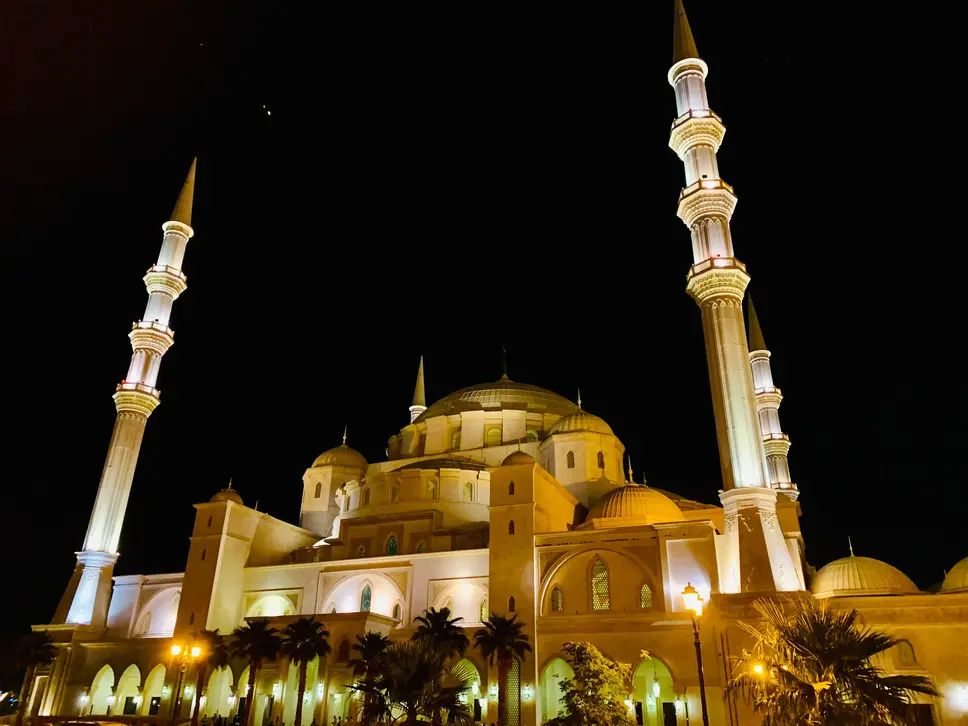
Jumeirah Mosque

Culture
Jumeirah Mosque

The Jumeirah Mosque is one of the most photographed buildings in Dubai and one of the only mosques in the city that welcomes non-Muslim visitors inside. Built in the Fatimid tradition with two tall minarets and a central dome, it is particularly striking at night when it is lit in warm white light.

The Sheikh Mohammed Centre for Cultural Understanding runs Open Doors guided tours on Saturday, Sunday, Tuesday, and Thursday mornings at 10 AM. The tour includes a Q&A session, a brief introduction to Islamic practice, and refreshments. It is one of the most genuinely informative things you can do in Dubai. Tickets are 35 AED and modest dress is required, meaning covered arms, legs, and head for women.

Insider Tip

Arrive 10 minutes early. The guide starts promptly and latecomers miss the context that makes the interior visit meaningful.

08

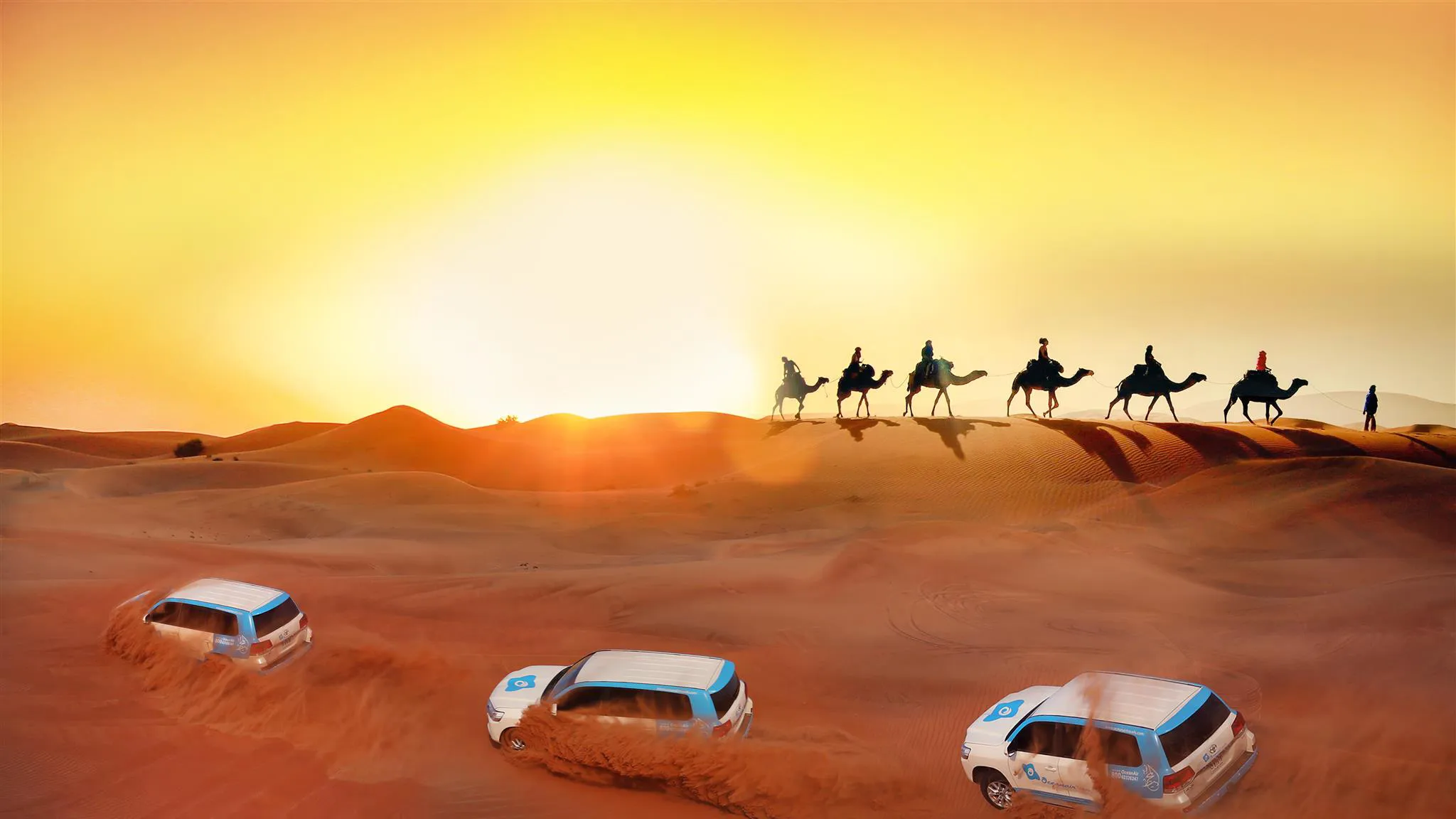
Desert Safari

Adventure
Desert Safari

A desert safari is still one of the most memorable things you can do on a Dubai trip, even if it has become a well-worn tourist experience. Most evening packages depart around 3 PM, include a stop in the dunes for dune bashing in a 4x4, camel riding, sandboarding, henna, and a barbecue dinner at a Bedouin-style camp with live music and a fire. You are back in the city by 9 or 10 PM.

Standard group packages start around 150 AED per person. Private 4x4 packages, morning safari options that are far less crowded, and overnight camping experiences all exist at higher price points. Book through a licensed operator and check recent reviews. The experience varies a lot depending on who runs it.

Insider Tip

The morning safari (departing at 7 AM) is a completely different experience. Fewer people, cooler air, and golden light on the dunes. It is the version most tourists never take.

09

Palm Jumeirah

Island
Palm Jumeirah

The Palm Jumeirah is a man-made island built on reclaimed land in the shape of a palm tree, large enough to be visible from space. It stretches 5 kilometers into the Arabian Gulf and is home to some of Dubai's most famous hotels, including Atlantis The Palm at the far end of the trunk and the ultra-luxury One&Only on the crescent.

Even if you are not staying here, the Palm Monorail from the mainland gives you good views along the trunk, and the boardwalk on the crescent is open to the public. Standing on the crescent at sunset with the Dubai skyline laid out across the water in front of you is one of the best viewpoints in the city.

Insider Tip

The Nakheel Mall at the top of the trunk has a rooftop observation deck called The View at The Palm. Tickets are 75 AED and the 360-degree view of the island and the city is worth it.

Full Guide
10

Dubai Marina

Waterfront
Dubai Marina

Dubai Marina is a purpose-built waterfront city within a city. Over 200 residential towers line the edges of an artificial canal, and the Marina Walk is a 7-kilometer promenade that circles the water. It is lined with cafes, casual restaurants, and boat rental operators. JBR beach and The Walk promenade are right next to it.

The best time to be here is from 6 PM onwards when the temperature drops and the towers light up across the water. The walk from JBR beach through the Marina and back is around 4 to 5 kilometers of pleasant waterfront and is one of the nicest free things to do in Dubai.

Insider Tip

The Dubai Marina Metro station on the Red Line and the Sobha Realty Tram station both connect here. Take the metro and walk out rather than trying to park.

Full Guide
11

Museum of the Future

Culture
Museum of the Future

The Museum of the Future opened in 2022 and immediately became one of Dubai's most talked-about buildings. The torus-shaped structure on Sheikh Zayed Road is covered in stainless steel panels engraved with Arabic calligraphy, and it is genuinely one of the most striking pieces of architecture you will see anywhere. Inside, the experience is less a traditional museum and more a large-scale theatrical journey through imagined futures.

Each floor covers a different theme: space habitation, ocean ecosystems, the future of the mind and wellbeing. Budget two to three hours. Tickets are 149 AED and should be booked online, particularly for weekends when it sells out.

Insider Tip

Enter from the top floor and move downward. The floors are designed to be experienced in that sequence and the narrative builds as you descend.

Full Guide
12

Dubai Frame

Landmark
Dubai Frame

The Dubai Frame is a 150-meter-tall rectangular structure that straddles the boundary between old Deira and modern Downtown. From the glass-floored sky bridge at the top, you literally look left and see the old low-rise city around Zabeel Park, then look right and see the Sheikh Zayed Road skyline and the Burj Khalifa. The framing is intentional and it works.

Tickets are around 50 AED and the visit takes about an hour including the ground floor museum, which covers Dubai's transformation from a small trading port into what it is today. The glass floor on the bridge makes some people genuinely nervous, which makes it all the more fun.

Insider Tip

Go in the late afternoon for the best light. The setting sun hits the old city side perfectly from around 4 PM in winter months.

Full Guide
13

Global Village

Seasonal
Global Village

Global Village is one of the most unique evenings you can spend in Dubai. Running from October to late April each year, it is an enormous open-air park where over 90 countries operate their own pavilions, each selling food, crafts, textiles, and cultural goods from their home country. A single entry ticket of around 25 AED gets you into everything.

In one evening you can eat grilled corn from an African stall, buy handmade Moroccan leather slippers, watch a Brazilian dance performance, try Japanese takoyaki, and end with an Emirati date shake. It gets very crowded on Thursday and Friday evenings. Families with children absolutely love it.

Insider Tip

Visit on a Sunday or Monday night. The crowds are half the size, the queues at food stalls are short, and you can actually spend time at each pavilion.

Full Guide
14

Dubai Miracle Garden

Garden
Dubai Miracle Garden

The Dubai Miracle Garden holds the record as the world's largest natural flower garden with over 150 million flowers in bloom across 72,000 square meters. The displays are changed and expanded every season, ranging from floral arches and heart-shaped tunnels to large-scale sculptures including a full Emirates A380 aircraft covered entirely in flowers.

It is open from October to April and closes during the summer months. Tickets cost around 55 AED for adults. It is an extraordinary visual experience and worth the trip out to the Dubailand area, though it is not centrally located and requires a taxi.

Insider Tip

Visit on a weekday morning right when it opens. By 11 AM the crowds arrive and the narrow garden paths become frustrating. The flowers are also freshest in the morning light.

Full Guide
15

Jumeirah Beach

Beach
Jumeirah Beach

Jumeirah Beach is one of Dubai's main public beaches, running along the Jumeirah coastline with clean white sand, clear shallow water, and the Burj Al Arab visible just offshore. It has a more relaxed and local feel than the resort beaches at JBR or the Palm, and entry is free.

Facilities include changing rooms, showers, and a promenade with cafes and restaurants. The water is calm and good for swimming. Friday and Saturday afternoons get busy. A weekday morning visit is a genuinely peaceful experience.

Insider Tip

The section of beach near Kite Beach, a little further down the coast, has food trucks, a skate park, and a more laid-back crowd. Worth the extra five minutes in a taxi.

Full Guide
16

Atlantis Aquaventure Waterpark

Theme Park
Atlantis Aquaventure Waterpark

Aquaventure at Atlantis The Palm is the biggest and most impressive water park in the region. Set directly on the Palm Jumeirah, it has over 105 rides and slides, a 1.6-kilometer river ride, dedicated zones for young children, and a private beach that comes with your ticket. It is a full day out.

Tickets for adults typically run between 350 and 450 AED. It is expensive, but the all-day access to both the park and the private beach makes it reasonable value. Book online to save around 20 percent versus the gate price.

Insider Tip

Get there when it opens. The flagship Leap of Faith slide and the Aquaconda river ride both build 45-minute queues by midday. Do them first.

Full Guide

Hidden Gems & Off the Beaten Path

Beyond the landmarks, Dubai has a quieter side that most first-time visitors miss entirely.

  • Al Seef District: A heritage waterfront development along Dubai Creek that blends old architecture with modern cafes. Less crowded than the souks and beautifully lit in the evening. Great for a slow walk and a cup of qahwa (Arabic coffee).
  • Satwa Neighbourhood: A low-rise residential area near Jumeirah that has kept its working-class character. Al Diyafah Road is lined with hole-in-the-wall shawarma joints, Pakistani curry houses, and Filipino bakeries. The food is excellent and cheap.
  • Alserkal Avenue: An art district in Al Quoz built inside repurposed warehouses. Independent galleries, concept stores, specialty coffee, and alternative performance spaces. If you want to see what Dubai's creative community looks like away from the malls, this is the place.
  • Hatta Mountain Village: About 90 minutes from the city center in the Hajar Mountains. A heritage village, a dam with kayaking, and mountain biking trails. A great day trip if you want to see a completely different side of the UAE.
  • Al Quoz Friday Market: A sprawling informal market selling plants, birds, carpets, and used goods. The energy of a proper flea market, entirely unlike the polished malls nearby.

3-Day Dubai Itinerary

Three days gives you a solid foundation without rushing. Here is how I would plan it.

Day 1

Old Dubai & the Creek

  • Morning: Al Fahidi Historical Neighbourhood and Dubai Museum (3 AED entry)
  • Mid-morning: Jumeirah Mosque guided tour with Sheikh Mohammed Centre (35 AED)
  • Lunch: Shawarma and falafel at a local spot in Bur Dubai (under 20 AED)
  • Afternoon: Abra boat ride (1 AED) to Deira, explore Gold Souk and Spice Souk
  • Evening: Dhow dinner cruise on Dubai Creek (80 to 150 AED with food)

Day 2

Downtown Dubai & the Icons

  • Morning: Dubai Mall, aquarium and ice rink (free entry to mall)
  • Afternoon: Burj Khalifa observation deck (book in advance, from 149 AED)
  • Evening: Dubai Fountain show from the boardwalk (free, every 30 min from 6 PM)
  • Night: Dinner at a lakeside restaurant or a stroll through Downtown

Day 3

Desert, Marina & Sunset

  • Morning: Dubai Marina Walk and JBR beach (free)
  • Late morning: Museum of the Future or Dubai Frame (50 to 149 AED)
  • Lunch: The Walk at JBR or a marina cafe
  • Afternoon: Desert safari departs around 3 PM (from 150 AED per person)
  • Evening: Dune bashing, camel ride, sunset, and barbecue dinner at camp

Where to Stay in Dubai

The neighborhood you choose will have a bigger impact on your daily experience than the hotel itself. Dubai is spread out, and the wrong location means expensive taxis or long metro rides every day.

  • Downtown Dubai: Most central for sightseeing. Walking distance to the Burj Khalifa, Dubai Fountain, and Dubai Mall. Hotel prices are high but the convenience is worth it for short first trips.
  • Dubai Marina / JBR: Best if you want beach access and a vibrant waterfront scene. Well-connected to the Metro via Sobha Realty station and the Dubai Tram.
  • Deira / Bur Dubai: The best budget option. Affordable hotels, great street food, and quick metro access to both airport terminals.
  • Palm Jumeirah: For a splurge stay. Atlantis, One&Only, and other luxury resorts are here. Somewhat isolated; you will use taxis more often.
  • DIFC / Business Bay: Good for business travelers or those who want a quiet upscale base near Downtown without the crowds.

Getting Around Dubai: Metro, Taxi & More

Dubai is a car-centric city, but the public transport system is significantly better than most visitors expect. The Dubai Metro covers the main tourist spine and is cheap, fast, and fully air-conditioned.

Dubai Metro

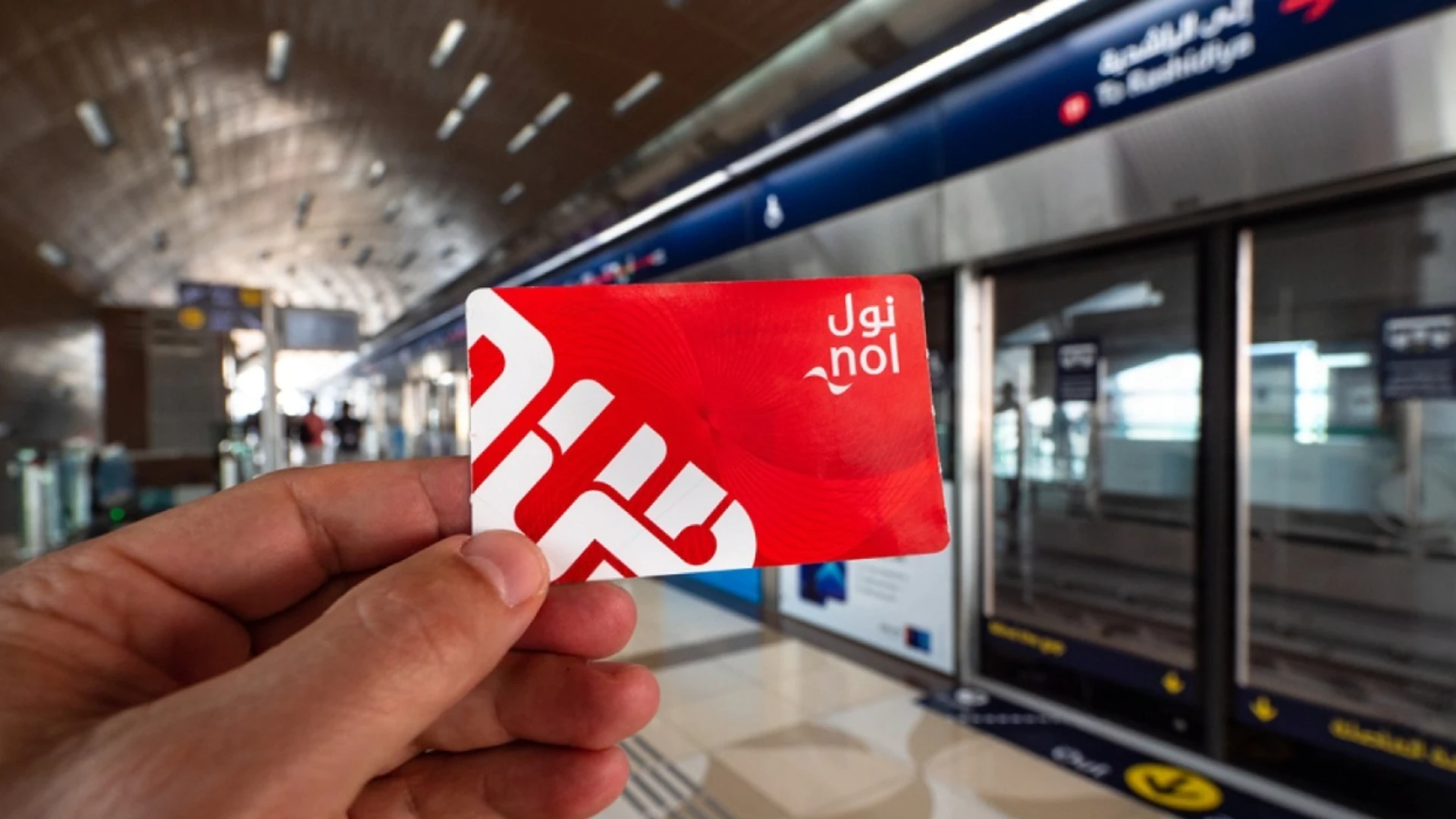
The Red Line covers the main tourist corridor from the airport through Downtown, DIFC, Dubai Mall, and all the way to Dubai Marina. The Green Line serves Deira, the souks, and residential districts. You need a Nol Card to use the metro. The Silver Nol Card (25 AED, with 19 AED preloaded) is the best option for tourists. You can use the same card on the Metro, Tram, Bus, and Water Bus.

Metro Rules & Fines to Know

  • Eating or Drinking (including water): 200 AED fine inside trains or stations.
  • Sleeping: 300 AED fine for sleeping at stations or inside cabins.
  • Wrong Cabin: Entering the Gold Cabin or Women & Children Cabin with a standard ticket is a 200 AED fine. Check the floor markings at every door.
  • No Nol Card: Always tap in and tap out. Inspectors check regularly and the fine for invalid travel is 200 AED.

Taxis & Ride-Hailing

Dubai taxis are metered, regulated, and reliable. Starting fare is 5 AED (12 AED from the airport). Careem and Uber both operate here and are often cheaper for shorter rides. Female travelers can request a female driver through Careem's Ladies First service.

Water Bus & Abra

The traditional abra crosses Dubai Creek between Bur Dubai and Deira for 1 AED per person. It takes five minutes and gives you one of the best views of Old Dubai. The RTA Water Bus is the air-conditioned alternative, accepting the Nol Card.

Food Guide: What to Eat & Where to Find It

Dubai might be the most diverse food city in the world. Over 200 nationalities live here and that shows on the plate. Outstanding Pakistani biryani, Japanese omakase, Lebanese mezze, Ethiopian injera, and Filipino street food all exist within a few kilometers of each other.

Must-Try Dishes

  • Shawarma: The unofficial street food of Dubai. Chicken or lamb in bread with garlic sauce and pickles. Price: 6 to 12 AED.
  • Machboos: Spiced rice cooked with meat or fish. The Emirati version of biryani, available at Emirati restaurants in Old Dubai.
  • Luqaimat: Deep-fried dough balls with date syrup and sesame seeds. 10 to 20 AED for a portion in the souks.
  • Arabic Coffee (Qahwa): Cardamom-spiced light coffee served in small cups with dates. Offered free at many shops and cultural venues.
  • Camel Milk: Slightly saltier and thinner than cow milk. Available in cafes and supermarkets. Worth trying once.

Where to Eat by Budget

  • Under 30 AED per person: Al Karama for Indian and Pakistani food, Deira for shawarma and falafel, Satwa for South Asian street food.
  • 60 to 150 AED per person: JBR The Walk, City Walk, and La Mer have a solid mix of casual sit-down restaurants. Lebanese and Middle Eastern places fall here.
  • 200 AED+ per person: Pierchic in Jumeirah, Zuma in DIFC, and Nobu at Atlantis for a special occasion.

Cultural Etiquette & Rules to Know

Dubai is one of the most open cities in the Arab world, but it is still governed by laws that reflect its values. Most rules are easy to follow. Knowing them in advance prevents any awkward or costly situations.

Do

  • Cover shoulders and knees in malls, mosques, and government buildings
  • Remove shoes before entering a mosque
  • Ask before photographing people, especially women
  • Use your right hand for giving and receiving
  • Respect Ramadan timings: avoid eating or drinking in public during fasting hours

Do Not

  • Display affection (kissing, hugging) in public, this can result in a fine
  • Swear or make rude gestures in public, it is a criminal offense
  • Photograph government buildings, military sites, or airports
  • Carry or use illegal drugs, penalties are extremely severe
  • Drink alcohol outside of licensed venues

Dubai on a Budget: What Things Actually Cost

Dubai has a reputation for being expensive, and some of it is earned. But the city is full of affordable options if you know where to look.

CategoryBudgetMid-RangeSplurge
Accommodation (per night)80–150 AED300–600 AED1,000+ AED
Meals (per person)10–30 AED60–120 AED200+ AED
Metro ride2–8.50 AED2–8.50 AED2–8.50 AED
Taxi / Careem (short trip)20–35 AED20–35 AED35–80 AED
Burj Khalifa149 AED (Level 124)500+ AED (Level 148)
Desert Safari150 AED (group)250–350 AED700+ AED (private)

A realistic budget for a mid-range solo traveler is around 400 to 600 AED per day, covering accommodation, food, one paid attraction, and transport. Traveling as a couple reduces the per-person cost significantly.

Sustainable Travel in Dubai

Traveling sustainably in a city built in the desert requires intention, but it is entirely possible.

  • Use the Metro: The Dubai Metro is fully electric and one of the most energy-efficient urban rail systems in the region. For the tourist spine from Deira to Marina, it covers almost everything you need.
  • Carry a Reusable Bottle: Filtered refill stations are available in most hotels and malls. Refusing single-use plastic bottles adds up meaningfully over a week-long trip.
  • Support Local Businesses: Buy spices, dates, and souvenirs from independent vendors in the Deira souks. Eat at family-run cafes in Bur Dubai and Satwa instead of global chains.
  • Choose Responsible Desert Operators: Look for licensed operators who limit vehicle numbers in sensitive dune areas and do not offer wild animal interactions for photos.

FAQs: Dubai Travel Guide

More Dubai Metro Guides

Everything you need to know about traveling on the Dubai Metro, from rules and fares to new expansions.

A complete guide to exploring Dubai, comparing Old and New Dubai, souks, malls, and metro tips.

Read Guide

Essential rules and fine information for a smooth Dubai Metro journey.

Read Guide

Learn how to top up your Nol card online quickly and easily.

Read Guide

Guide to RTA parking facilities at various Dubai Metro stations.

Read Guide

How to travel from Dubai to Abu Dhabi using the metro and bus network.

Read Guide

A comparison to help you choose the best transport for your needs.

Read Guide

Everything you need to know about the Blue Line - 14 stations, two routes, opening 2029.

Read Guide

Gold Line

Announced

Route, stations, timeline, and the latest official updates on Dubai's Gold Line.

Read Guide
ZoomRide